

Driveway Jet Washing Benefits for Your Property

by
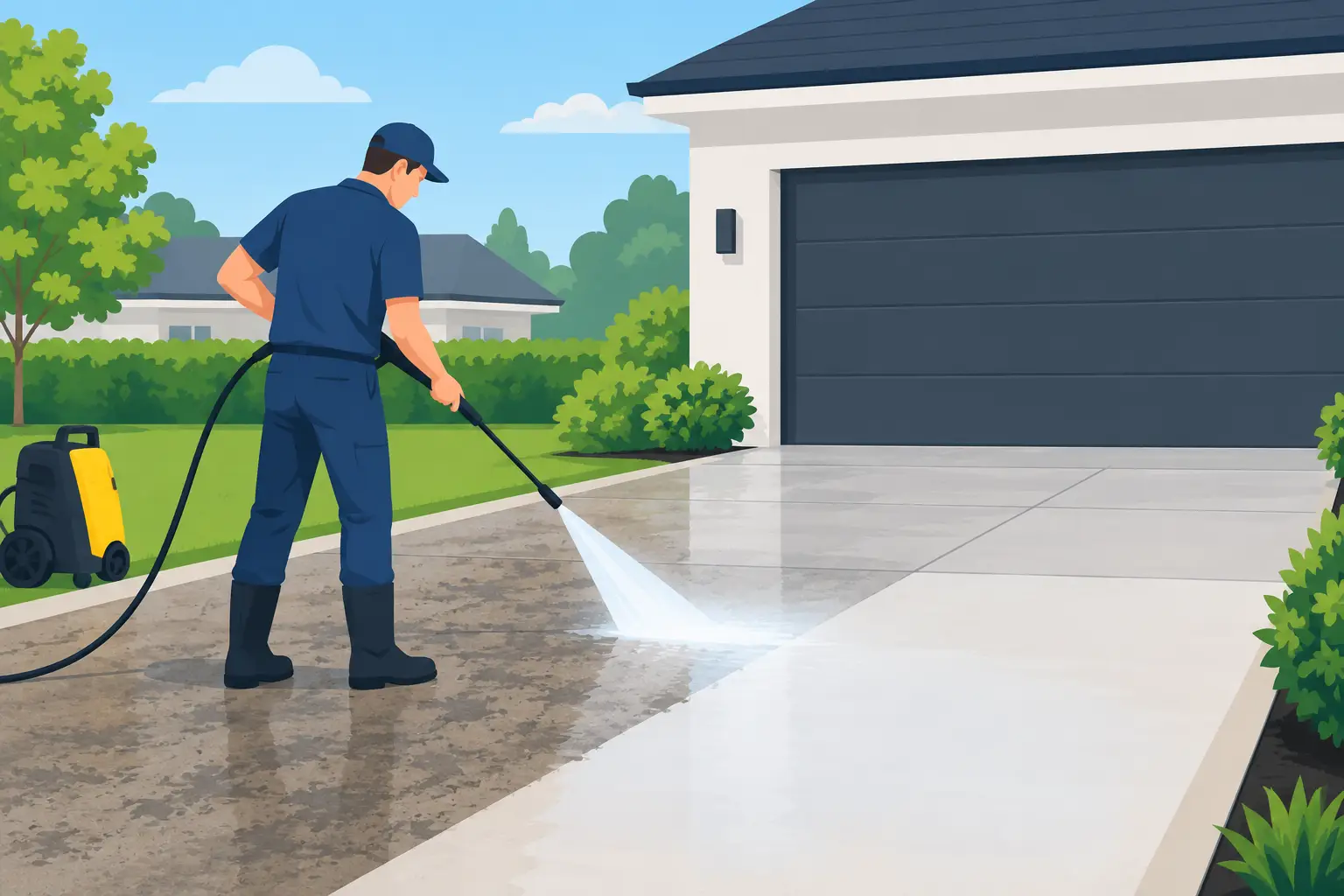
A driveway can make a well-kept home look neglected long before anyone reaches the front door. Oil marks, algae, moss, tire residue, and ground-in dirt build up gradually, so it is easy to overlook how tired the surface has become. The practical driveway jet washing benefits go beyond a cleaner appearance: proper cleaning can make the area safer underfoot, help reveal surface issues early, and protect the value of a driveway you have already paid for.
For homeowners and property managers, it is not about making paving look brand new every few weeks. It is about sensible exterior maintenance that deals with dirt before it becomes a harder, more expensive problem to put right.
Driveway Jet Washing Benefits That Matter
Jet washing uses controlled high-pressure water to lift dirt, organic growth, and surface contaminants from concrete, block paving, tarmac, and many types of stone. When carried out correctly, it reaches into the textured areas and joints that ordinary brushing cannot properly clean.
The difference is often immediate, but the long-term benefit is just as useful. Removing algae, moss, and built-up grime stops moisture and debris sitting on the surface for longer than necessary. That gives you a cleaner, more usable driveway and a clearer view of its true condition.
A clean surface also makes routine maintenance easier. You can spot loose blocks, cracked concrete, failing jointing material, or small areas of subsidence rather than having them hidden beneath dirt and growth. Minor repairs are generally far simpler to arrange before the damage spreads.
A safer surface in wet weather
Green algae and moss are not just unattractive. They can become slippery, particularly on shaded driveways, paths, and areas near garages or side entrances. Rain, fallen leaves, and winter damp make the risk worse.
Jet washing removes this slippery growth and helps restore grip to the surface. This is especially worthwhile for households with children, older relatives, regular visitors, or anyone carrying shopping from the car to the house. For landlords and commercial property managers, keeping access areas clear and presentable is a straightforward part of looking after the property responsibly.
Cleaning does not make every driveway non-slip, and worn smooth concrete may still need care in wet conditions. However, removing algae and compacted dirt is a sensible first step toward reducing avoidable slip hazards.
Better curb appeal without replacing the driveway
Replacing a driveway is a major project. In many cases, it is not necessary. A professional jet wash can remove years of weathering and surface dirt, bringing back the original color and pattern of block paving, stone, or concrete.
This matters when you are preparing a property for sale, welcoming tenants, or simply taking pride in your home. The driveway sits at the front of the property and frames everything around it, including paths, flowerbeds, fascia boards, and the entrance itself. When it is dirty, even a freshly painted door or tidy garden can lose some of its impact.
A thorough clean is often one of the most cost-effective ways to improve the outside of a property without taking on a large renovation job.
Protecting Paving, Concrete, and Drainage Areas
Organic growth holds moisture. On block paving, moss and weeds can work into joints, loosen jointing sand, and encourage movement over time. On concrete, dirt can disguise early cracks or stains that need attention. Around drainage channels and gullies, leaves and debris can restrict water flow and leave standing water across the drive.
Jet washing removes the surface build-up, but the method must suit the material. Too much pressure, used too close to the ground, can damage softer stone, dislodge mortar, strip jointing sand, or mark tarmac. That is why the lowest possible effective pressure and the right equipment matter more than simply blasting the area as hard as possible.
Block paving often needs jointing sand replaced after cleaning. This is not an optional extra if the cleaning process has removed material between the blocks. Re-sanding helps stabilize the paving, limits weed growth, and supports a tidy finished result. If the driveway has drainage issues, damaged edging, or significant sinking, those faults should be addressed rather than covered up with a surface clean.
Oil stains and tough marks need realistic expectations
Not every mark comes away completely. Fresh oil, mud, algae, and general grime usually respond well to professional cleaning. Old engine oil stains, rust marks, paint, tire marks, and deeply absorbed discoloration can be more stubborn, especially on porous concrete or natural stone.
A good contractor will explain what can reasonably be improved before starting work. Strong chemical treatments may help in some cases, but they must be chosen carefully to avoid harming the driveway, nearby plants, pets, or drainage systems. Honest advice is better than a promise that every stain will disappear.
Why the Right Jet Washing Method Matters
There is a difference between hiring a machine for an afternoon and having a driveway cleaned with care. Domestic pressure washers can be useful for light maintenance, but they can also leave visible lines, uneven patches, damaged joints, or splashed dirt across walls and garage doors when used without experience.
A proper service starts by checking the surface type, condition, drainage, access, and nearby features. The operator can then select the appropriate pressure, nozzle, and cleaning approach. Flat-surface cleaning equipment is often useful on larger areas because it gives a more even finish and keeps spray under better control.
Attention should also be paid to where the water and debris go. Loose moss, mud, and grit should not be pushed into gullies or allowed to block drains. Areas around garages, doors, garden borders, and exterior walls need protecting from overspray. These are the practical details that separate a careful job from a quick wash-down.
At Steve’s Gutters, exterior work is approached as property maintenance, not just a cosmetic clean. A driveway may sit alongside roofline drainage, downpipes, patios, or conservatories, so it makes sense to look at the wider area and flag obvious issues while the work is being carried out.
How Often Should a Driveway Be Jet Washed?
Most driveways benefit from cleaning every one to two years. The right timing depends on shade, tree cover, surface type, foot traffic, parking use, and local weather. A driveway beneath overhanging trees or on the north side of a house may develop moss and algae much faster than an open, sunny surface.
There is no advantage in cleaning more often than the surface needs, particularly if block paving requires re-sanding each time. On the other hand, leaving heavy organic growth for years can make cleaning harder and allow weeds, staining, and surface deterioration to become more established.
A simple check after winter is often enough. If the surface looks green, feels slippery, has weeds pushing through the joints, or no longer drains cleanly after rain, it is worth arranging an inspection and quote.
Keeping the Driveway Cleaner for Longer
Jet washing provides the reset, but a few basic habits help preserve the result. Sweep leaves and loose debris regularly, particularly in fall. Deal with oil drips quickly using an appropriate absorbent product, and keep nearby drains clear so water does not sit on the surface.
For block paving, maintaining sound jointing sand is particularly worthwhile. For some surfaces, a suitable sealant may also be an option after the driveway is fully clean and dry. Sealing is not right for every material, and it will not fix poor drainage or damaged paving, but it can help reduce staining and make future cleaning easier in the right circumstances.
A clean driveway is one of those straightforward jobs that pays back every time you come home. If dirt, moss, or stains are making the front of your property look tired or unsafe, dealing with it now is usually simpler than waiting for the surface problems underneath to become impossible to ignore.
Recommended Posts
Seamless Versus Sectional Gutters: Which Is Best?
October 16, 2026
Can Dirty Gutters Attract Pests? Yes, Here’s Why
October 14, 2026
A Guide to Replacing Fascias on Your Home
October 12, 2026