

Are Gutter Repairs Insured? What Homeowners Need

by
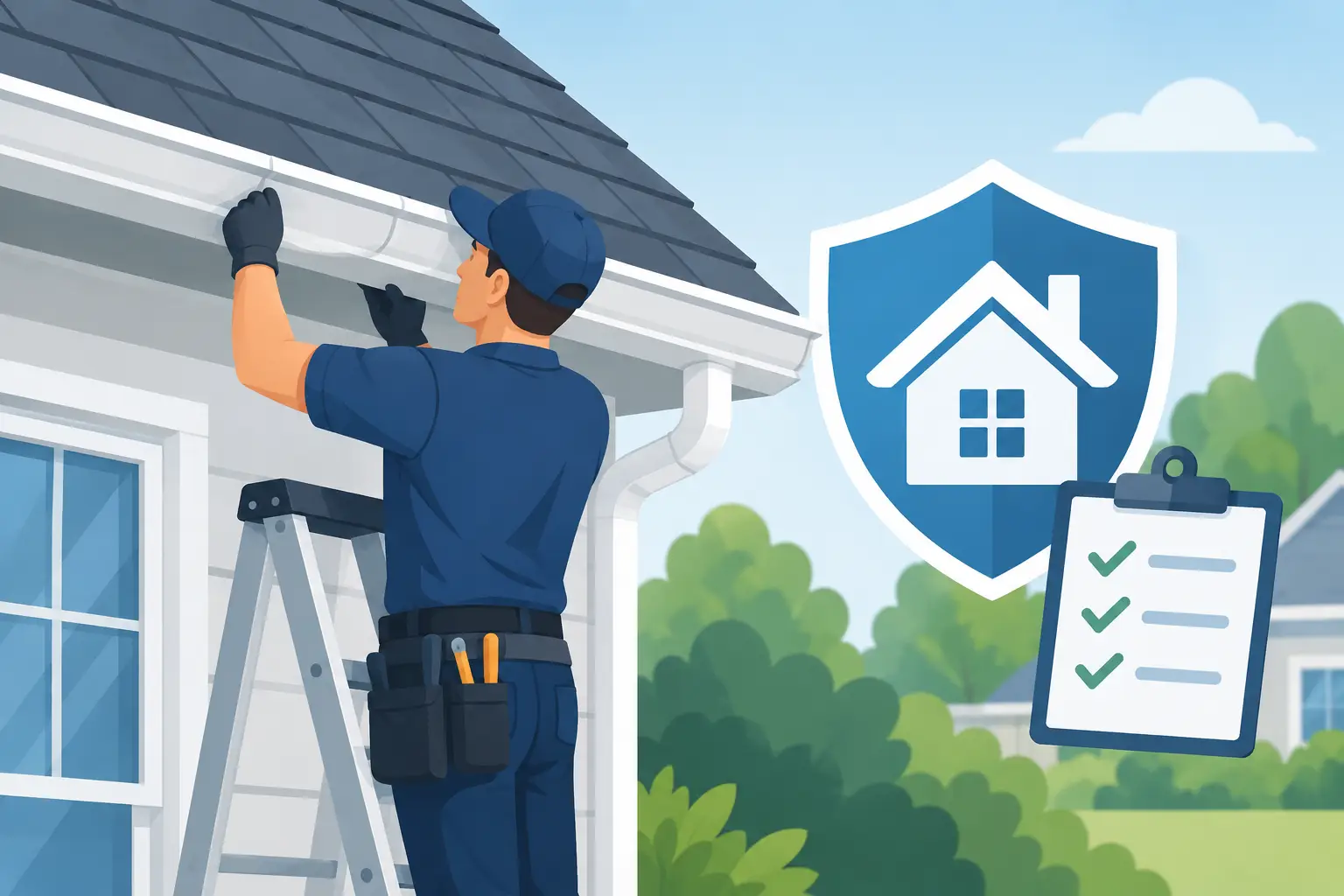
A gutter repair can look like a small job until water starts running down a wall, soaking a ceiling, or damaging the ground around your foundation. So, are gutter repairs insured? Often, yes – but the answer depends on which insurance you mean: the contractor’s insurance, your homeowners insurance, or both.
For most homeowners, the first priority is choosing a properly insured gutter contractor. A professional business should carry coverage that protects against accidental damage or injury while work is underway. Whether your own home insurance pays for the original gutter problem is a separate question, and it usually comes down to what caused the damage in the first place.
Are Gutter Repairs Insured by the Contractor?
A reputable gutter repair company should be insured for the work it carries out. This is not just a box to tick. Gutter work involves ladders, roofs, tools, glass conservatories, driveways, and exterior walls. Even a straightforward repair has risks if it is not handled carefully.
The most relevant cover is usually general liability insurance. This can protect the contractor and property owner if the work accidentally causes damage. For example, if a ladder damages a window, a tool cracks a roof tile, or a repair issue causes immediate damage to part of the property, liability coverage may be relevant.
Workers’ compensation coverage is also important where a contractor has employees. Gutter repairs often involve working at height, and homeowners should not be left exposed if a worker is injured on their property. Requirements vary by state and by the contractor’s business setup, but it is still sensible to ask how the company is insured before the job begins.
Insurance is not the same as workmanship. A contractor’s insurance is designed for accidents and liability claims. A workmanship guarantee covers the quality of the repair itself. A dependable gutter specialist should be clear about both: what is insured and what work is guaranteed.
What to Ask Before Booking a Repair
You do not need to turn a gutter repair into a legal exercise, but a few direct questions can prevent problems later. Ask whether the contractor is fully insured, whether they can provide proof of coverage if requested, and whether their quote includes a workmanship guarantee.
It is also worth asking what the repair will involve. A proper gutter service may include clearing the gutter run, checking downspouts, resealing joints, replacing failed brackets, adjusting the fall of the gutter, and identifying roofline issues. A company that only removes visible debris may leave the actual cause of the overflow untouched.
At Steve’s Gutters, the focus is on assessing the whole system rather than treating cleaning as the end of the job. That means checking where water is entering, where it is escaping, and whether the gutters, downspouts, fascia, and fixings are still doing their job.
Will Homeowners Insurance Cover Gutter Repair?
Your homeowners insurance may cover gutter damage when it is caused by a sudden, accidental event covered by your policy. Common examples can include storm damage, a falling tree limb, fire, or impact damage. If high winds tear gutters away from the roofline or a branch crushes a section of downspout, it may be worth contacting your insurer promptly.
However, home insurance does not normally cover damage caused by neglect, gradual wear, or lack of maintenance. Gutters that have been overflowing for months because they are full of leaves, joints that have slowly failed, or fascia that has rotted after repeated leaks may be treated as maintenance issues. Insurers generally expect homeowners to take reasonable steps to maintain the property and prevent avoidable water damage.
This distinction matters. A storm may have exposed a weak gutter bracket, but if the bracket was already rusted and failing, an insurer may assess the wider condition of the system. The same applies to water damage inside the home. If a sudden storm forces water through a previously sound gutter system, there may be a claim. If blocked gutters have repeatedly allowed water to overflow into the wall, coverage may be less likely.
The Cause Matters More Than the Size of the Bill
A small repair can sometimes be covered, while a larger bill may not be. Insurance decisions are based on the cause, policy terms, deductible, and evidence, not simply the cost of the work.
Before making a claim, consider your deductible. If the repair costs only a little more than the deductible, paying for the work directly may be more practical. A claim can also affect future premiums, depending on your insurer and claims history.
For significant storm or impact damage, take clear photos before any non-emergency work begins. If water is actively entering the property, arrange temporary protection or emergency repairs to prevent further damage, but keep records and receipts. An experienced gutter contractor can document visible damage and explain what repairs are needed, though they cannot guarantee how an insurer will decide a claim.
When Gutter Repairs Usually Are Not Covered
Routine upkeep is part of owning or managing a property. This includes clearing leaves and moss, unblocking downspouts, resealing aging joints, replacing worn brackets, and dealing with gutters that have reached the end of their service life.
The following situations are often treated as maintenance rather than insured losses:
- Overflowing gutters caused by leaves, moss, silt, or nesting debris
- Leaking joints, failed sealant, and corrosion that have developed over time
- Sagging gutters caused by worn brackets or poor installation from years earlier
- Rotting fascia or soffits linked to long-term water overflow
- Damage that existed before a storm or was made worse by lack of maintenance
That does not mean these repairs should be delayed. In fact, dealing with them early is usually far less expensive than repairing water-damaged walls, roof edges, soffits, landscaping, or interior finishes later.
Get the Right Evidence Before Calling Your Insurer
If you believe a storm, fallen limb, or other sudden incident damaged your guttering, start by making the area safe. Avoid climbing ladders or attempting roof-level repairs yourself, especially after high winds or rain.
Take photographs from the ground if possible. Capture damaged gutter sections, detached downspouts, fallen branches, water staining, and any visible damage to siding, roofing, or fascia. Note the date of the event and keep any weather alerts or relevant information from your area.
Then arrange a professional inspection. A written estimate that separates storm-related damage from pre-existing maintenance issues can be useful. It gives you a clear repair plan and helps avoid confusion about what needs urgent attention versus what can be scheduled as routine work.
Be honest with both the contractor and insurer about the gutter’s condition before the incident. Trying to present an old maintenance issue as sudden damage can delay a claim and create more hassle than it is worth.
Why Insured Gutter Work Is Worth It
The cheapest quote is not always the best value, especially when the work is above your head and directly affects how water leaves your property. An insured contractor brings accountability to the job. They should use safe access methods, inspect the full drainage route, explain the repair clearly, and leave the area tidy.
There is also a difference between a quick patch and a lasting repair. A joint that has failed because the gutter is pulling away from the fascia will leak again if the bracket spacing and alignment are not corrected. A downspout that keeps overflowing may be blocked underground, poorly positioned, or connected to a gutter that is holding standing water. Fixing the cause is what protects the property.
For landlords and commercial property managers, documented inspections and clear invoices are particularly valuable. They provide a record that reasonable maintenance has been carried out, which can help with tenant concerns, planned upkeep, and future insurance discussions.
Keep Small Gutter Problems From Becoming Claims
The best insurance claim is often the one you never need to make. Regular gutter cleaning and inspection helps spot loose brackets, cracked seals, blocked downspouts, damaged fascia, and roof debris before they lead to an overflow.
Properties beneath mature trees may need attention more often, particularly in fall and after heavy storms. Extensions, conservatories, flat roofs, and areas where two roof slopes meet also deserve close attention because they can collect more debris and direct a heavy volume of water into one section of gutter.
If your gutters are leaking, sagging, overflowing, or pulling away from the roofline, arrange an inspection before the next spell of heavy rain. A properly insured contractor can repair the immediate fault, identify the underlying cause, and give you a clear view of whether a repair or replacement is the sensible next step.
Recommended Posts
Seamless Versus Sectional Gutters: Which Is Best?
October 16, 2026

Can Dirty Gutters Attract Pests? Yes, Here’s Why
October 14, 2026
A Guide to Replacing Fascias on Your Home
October 12, 2026