

Best Ways to Clean UPVC Without Causing Damage

by
White UPVC can make a property look clean and well cared for, but it shows every streak of dirt, algae mark, and traffic film. The best ways to clean UPVC are usually the simplest: use mild products, avoid harsh scrubbing, and deal with buildup before it becomes stained into the surface. A quick wash done properly is far better than trying to rescue neglected trim with aggressive chemicals.
UPVC is hard-wearing, but it is not indestructible. The glossy outer finish can become dull or scratched, seals can be damaged by solvents, and old or badly fitted roofline sections may hide a more serious issue behind the dirt. That is why cleaning should be part of a sensible exterior maintenance routine, not a cover-up for leaking gutters, loose fascia boards, or failed joints.
Start with the safest method
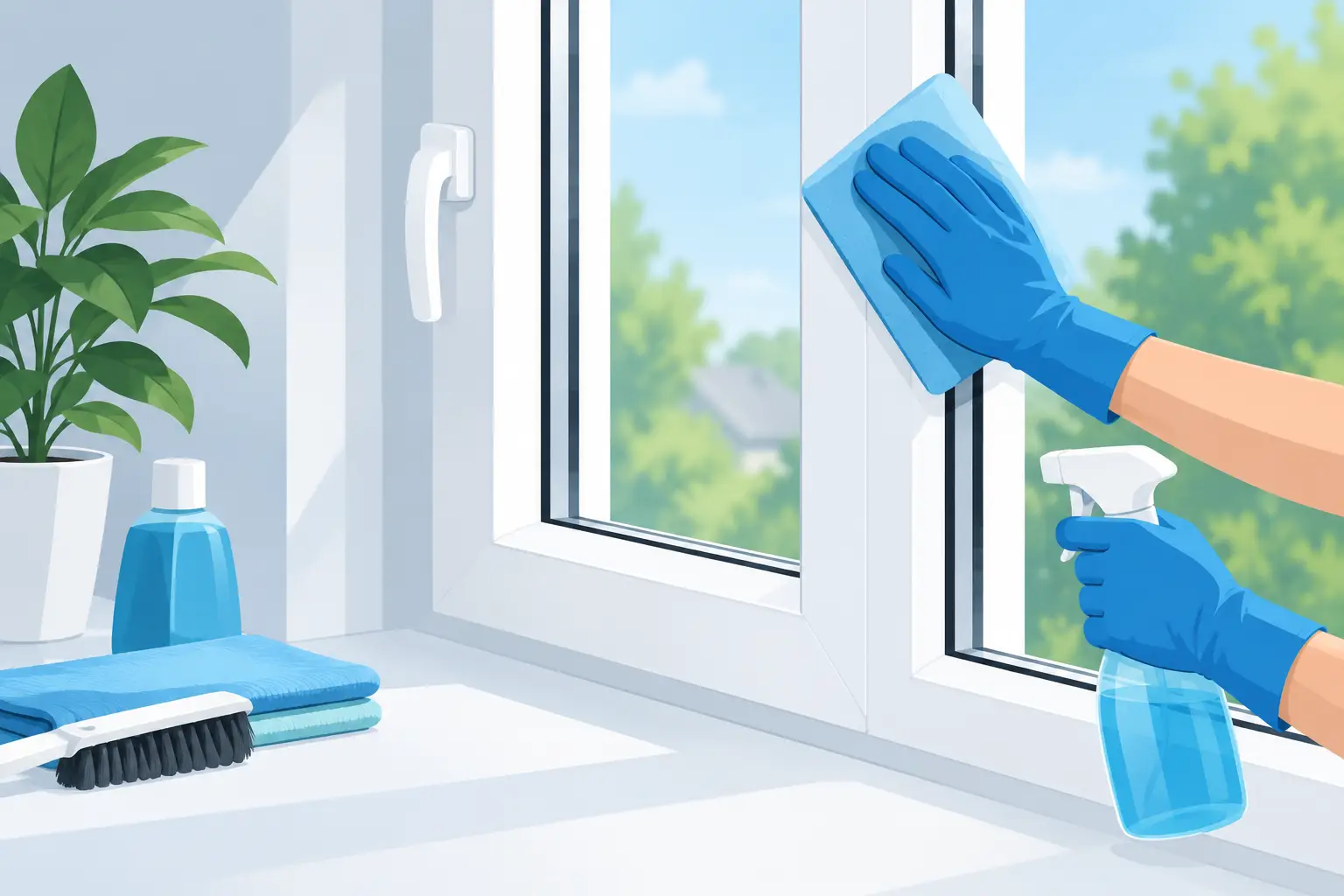
For most UPVC windows, doors, fascia, soffits, guttering, and conservatory frames, warm water with a small amount of mild dish soap is the right starting point. It lifts ordinary dust, cobwebs, pollen, and light road grime without attacking the finish.
Use a soft microfiber cloth or a non-abrasive sponge. Work from the top down, rinsing your cloth regularly so grit is not dragged across the surface. Once the dirt has lifted, wipe the area with clean water and dry it with a fresh microfiber cloth. Drying matters more than many people realize, particularly on window frames and doors where drips can leave water marks.
Do not start with bleach, paint thinner, acetone, scouring powder, or a stiff brush. These products can discolor UPVC, leave permanent dull patches, or damage the rubber seals around windows and doors. A surface may look whiter immediately after a harsh treatment, only for the finish to weather badly afterward.
Best ways to clean UPVC around the home
Different sections of UPVC collect different types of dirt. Windows and doors usually suffer from fingerprints, dust, and airborne pollution. Fascias, soffits, and gutters are more likely to develop algae, mildew, insect marks, and dark runoff lines from the roof.
Windows and doors
Open the windows or doors first and clean the frame edges, tracks, and drainage holes. These small openings allow water to escape from the frame. If they are blocked with dirt, water can sit where it should drain away, which may lead to damp marks or problems during heavy rain.
A soft detailing brush or an old soft toothbrush is useful for corners and tracks. Avoid forcing dirt further into drain holes. Brush it loose, wipe it away, and use only a small amount of clean water near the channels.
For stubborn marks on white frames, a purpose-made UPVC cleaner can help, but test it first in a hidden area. Apply it to the cloth rather than pouring it directly onto the frame. This gives better control and stops cleaner from running onto glass, brickwork, or seals.
Fascias and soffits
Fascias and soffits are often overlooked because they sit at roof level. By the time green staining is obvious from the ground, there may be a good layer of algae and grime across the boards. Mild soap and water will handle light buildup, but algae may need a dedicated exterior UPVC cleaner used exactly as directed.
The main consideration here is safe access. Leaning a ladder against guttering is not a safe option, and reaching out from a ladder to scrub long runs of fascia is a common cause of falls and damaged gutters. If the roofline is high, the sensible choice is professional cleaning with proper access equipment and an inspection at the same time.
Gutters and downpipes
Cleaning the outside of UPVC gutters improves curb appeal, but it is only half the job. A gutter can look spotless from the driveway while leaves, moss, roof grit, and standing water are causing it to overflow inside.
Wash the exterior with soapy water and a soft cloth. For black streaks beneath gutter joints, clean gently and then check whether the joint is leaking. Repeated staining in the same place can be a sign of a worn seal, a loose bracket, or a gutter that is holding water because the fall is wrong.
Downpipes deserve the same attention. If there is a damp patch at the base, water spilling from a joint, or water backing up during rain, cleaning alone will not solve the problem. The blockage or fault needs to be found and corrected.
Conservatory frames and roofline trim
Conservatories collect dirt quickly because their frames have many edges, seals, and ledges. Clean the vertical frames first, then the horizontal sections where debris settles. Take care around old seals, especially if they are brittle or pulling away.
A conservatory roof is not a suitable place to walk unless it has been designed for access. Panels can crack, slip, or fail under weight. Cleaning from a safe working position is essential, and heavily stained roofs are generally best left to an insured exterior cleaning team.
Remove algae and mildew without ruining the finish
Green or black marks are usually caused by algae, mildew, or a mixture of organic growth and pollution. They return most often on shaded elevations, beneath overhanging trees, and where gutter leaks keep the surrounding area damp.
For light growth, wash the area first with warm soapy water. If staining remains, use a cleaner made for UPVC or exterior plastic surfaces. Give it the stated contact time, wipe gently, and rinse thoroughly. Do not mix cleaning chemicals. Mixing products can create harmful fumes and makes it difficult to know what is affecting the material.
If algae returns within a few weeks, look for the source of moisture. Overflowing gutters, a blocked downpipe, moss-heavy roof areas, and poor drainage can all keep fascias and walls wet. A proper repair may cost less than repeated cleaning and prevents water damage from developing behind the roofline.
Can you pressure wash UPVC?
A pressure washer can be useful on some exterior surfaces, but it is rarely the best first choice for UPVC. High pressure can force water behind fascia boards, blow out seals, loosen gutter joints, and drive dirt into window drainage channels. It can also strip old paint from nearby trim or splash dirty water across cleaned walls and glass.
If a low-pressure setting is used on durable, ground-level UPVC, keep the nozzle well back and never aim upward into laps, joints, vents, or seals. Do not use a narrow jet. In most cases, a soft wash with the right cleaner produces a better finish with less risk.
This is especially true for older roofline systems. Aging boards may be brittle, brackets may already be loose, and a forceful jet can turn a small maintenance job into a repair call.
What to avoid when cleaning UPVC
The wrong tool can do more damage than a season of dirt. Keep abrasive pads, wire brushes, steel wool, and gritty cream cleaners away from UPVC. They create fine scratches that trap dirt and make white surfaces look gray over time.
Avoid strong solvents and undiluted bleach. They may damage the surface, affect color consistency, and weaken seals. Be careful with colored or wood-effect UPVC too. These finishes can fade or mark more easily than plain white sections, so always test any cleaner in a discreet spot first.
It is also worth avoiding the temptation to paint over yellowing or staining without checking why it happened. Discoloration can be cosmetic, but it can also point to heat exposure, poor-quality materials, or drainage problems that need attention.
When cleaning should become an inspection
A good exterior clean gives you the chance to spot faults early. Look for sagging gutters, water lines on fascia boards, cracked end caps, loose downpipes, missing clips, and staining below joints. Check whether water runs freely during the next rainfall rather than assuming a clean gutter is a working gutter.
For property owners who do not want the risk of working at height, Steve’s Gutters can clean UPVC rooflines while checking gutter runs, joints, brackets, and downpipes for faults that a surface-only clean would miss. That approach is particularly useful where recurring staining, overflowing gutters, or visible leaks suggest a repair is needed.
Keep UPVC cleaner for longer
Most homes benefit from cleaning UPVC frames and doors two or three times a year, with guttering and roofline cleaning scheduled around the seasons. Homes near busy roads, large trees, open fields, or the coast may need more frequent attention because grime builds faster.
The best result comes from dealing with small marks early and keeping rainwater flowing where it should. When the roofline stays dry, gutters are clear, and cleaning is gentle, UPVC can keep its tidy finish for years without needing harsh products or expensive corrective work.
If a section will not clean up, do not keep scrubbing until the surface is damaged. Treat it as a reason to check the underlying condition, then make the repair or replacement decision with clear information rather than frustration.
Recommended Posts
Seamless Versus Sectional Gutters: Which Is Best?
October 16, 2026

Can Dirty Gutters Attract Pests? Yes, Here’s Why
October 14, 2026
A Guide to Replacing Fascias on Your Home
October 12, 2026