

Gutter Materials Comparison for Your Home

by
A gutter materials comparison is not just about picking the color that looks right from the curb. The material affects how well the system handles heavy rain, whether joints begin to leak, how much maintenance is needed, and how long it should last before replacement is on the table. For most homes, the best choice comes down to the roof size, local weather, budget, and the condition of the fascia boards behind the gutter.
A new gutter system is only as good as its installation. Even a premium material can overflow if it is poorly pitched, undersized for the roof, or connected to a blocked downspout. Before choosing a material, it pays to have the roofline checked properly rather than simply replacing the visible sections.
Gutter Materials Comparison: The Main Choices
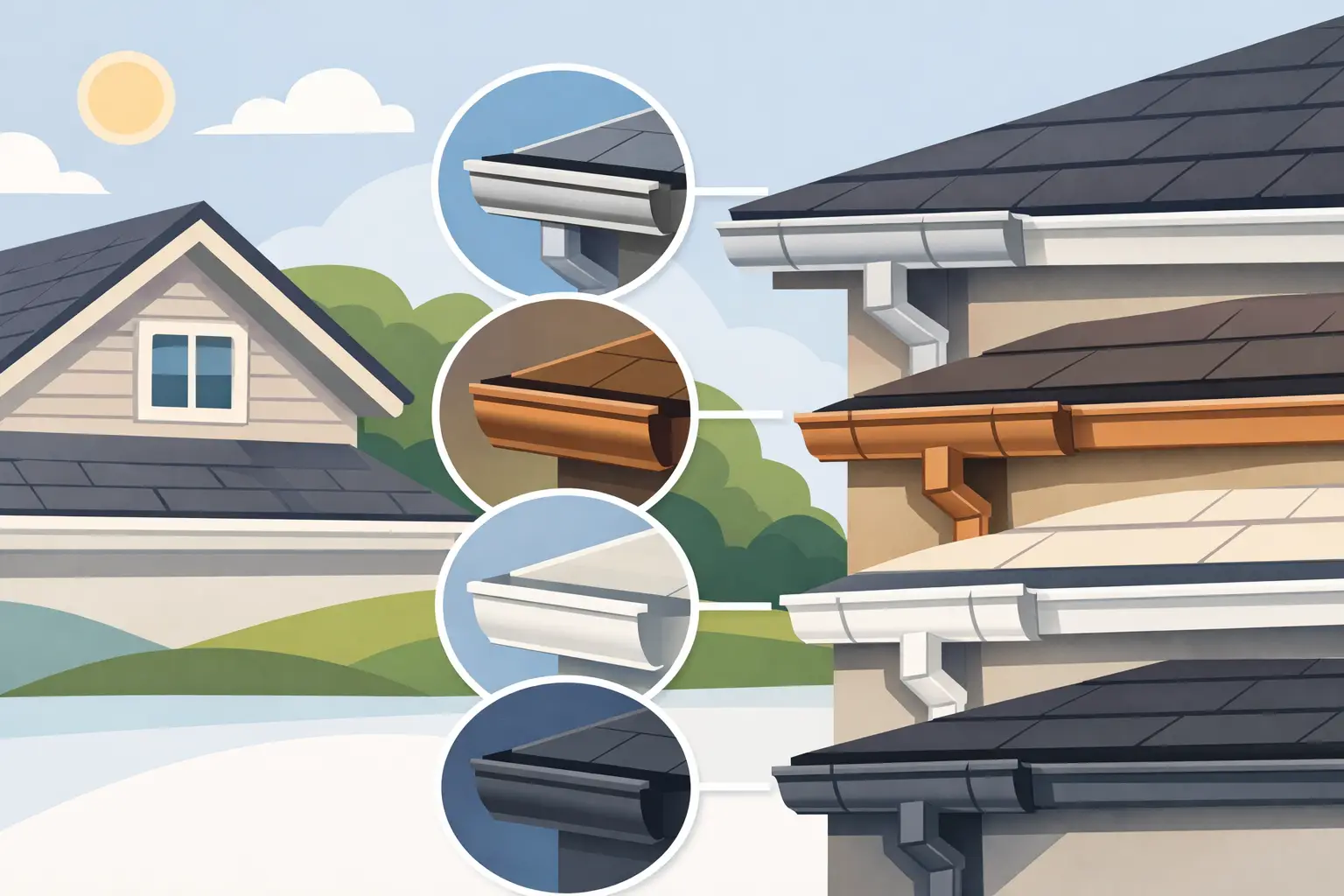
Most residential gutter replacements use vinyl, aluminum, galvanized steel, copper, or cast iron. Each has a place, but no one material is automatically right for every property.
Vinyl and uPVC gutters
Vinyl, often referred to as uPVC in some markets, is a common choice for budget-conscious homeowners. It is lightweight, does not rust, and is generally straightforward to fit. It is also available in several colors, so it can suit modern siding, trim, and fascia without the need for painting.
The trade-off is that vinyl can become brittle in very cold weather and may expand or contract noticeably with temperature changes. In strong sun, lower-quality systems can fade or distort over time. Plastic guttering can work well on smaller homes, garages, sheds, and properties with moderate rainfall, but it is not always the best long-term answer for a large or steep roof that sends a lot of water into the gutters at once.
Joints are another consideration. Many vinyl systems use clipped or sealed connections, and those seals need checking as they age. A minor drip at a joint can eventually soak fascia boards and cause staining on brick or siding below.
Aluminum gutters
Aluminum is the most widely used metal gutter material for residential properties, and for good reason. It is light, rust-resistant, and available in a wide range of painted finishes. Seamless aluminum gutters can also be formed to the length of the roofline, reducing the number of joints where leaks commonly develop.
For many homeowners, aluminum provides the best balance of cost, appearance, and service life. It handles ordinary rain well, will not rust like steel, and can be repaired or replaced without the cost associated with copper. It is particularly suitable for standard homes where dependable performance matters more than a decorative finish.
Its weakness is denting. Ladders, falling branches, and impact from debris can leave marks in thinner aluminum. It may also sag if the hangers are spaced too far apart or the fascia is weak. That is why a proper installer checks the supporting timber and uses the right number of brackets instead of fastening new gutters onto damaged boards.
Galvanized steel gutters
Galvanized steel is stronger than aluminum and can be a sensible option where gutters need to cope with heavy snow, ice, or the risk of impact. It has a solid feel and is less likely to dent than lightweight aluminum.
However, its protective zinc coating does not last forever. Once the coating wears through, scratches or exposed edges can rust. Steel gutters need regular inspection, especially around seams, fasteners, and areas where standing water collects. They can offer good value, but they usually demand more upkeep than aluminum or vinyl.
Steel is worth considering when strength is the priority, but it is not the low-maintenance choice. If you want gutters fitted and then largely forgotten apart from normal cleaning, aluminum will often be easier to live with.
Copper gutters
Copper is a premium material with a distinctive appearance. It begins with a warm metallic finish and gradually develops a darker patina, often turning green over many years. On historic homes, high-end renovations, and properties with other copper details, it can look exceptionally good.
When installed correctly, copper can last for decades. It does not rust, and soldered seams can create a very durable system. The obvious downside is cost. Copper materials and specialist labor are more expensive, and the guttering may attract unwanted attention because of its scrap value.
Copper also needs a thoughtful approach to roof drainage. Water running over certain roof materials or coming into contact with incompatible metals can create staining or corrosion problems. It is not a material to mix casually with other metals. For homeowners who value character and are prepared to invest in it, copper can be an excellent long-term choice. For most practical replacements, it is more than the job requires.
Cast iron gutters
Cast iron is the traditional option seen on many period homes, older terraces, and buildings where preserving the original character matters. It is strong, substantial, and can be very long-lasting when maintained properly. Its shape and finish often suit older architecture far better than modern plastic profiles.
The maintenance requirement is significant. Cast iron must be painted and kept protected from corrosion. Cracked paint, failed joints, and small rust spots should be dealt with early. Left unchecked, rust can spread, sections can weaken, and heavy gutters can pull away from the fascia or wall fixings.
Cast iron is rarely the lowest-cost route, both because of the material weight and the skilled fitting required. Still, replacing cast iron with a cheaper material can change the appearance of a character property. The right decision depends on the building, planning requirements where applicable, and how much maintenance the owner is prepared to carry out.
What Matters Beyond the Gutter Material
The gutter profile and capacity are just as important as the material. A small gutter fitted to a broad, steep roof may overflow during a hard storm even if it is brand new. Larger-capacity gutters, correctly positioned downspouts, and clear underground drainage can make a bigger difference than upgrading from one material to another.
Downspouts deserve the same attention. If they are too narrow, poorly placed, or blocked by moss and debris, water will back up in the gutter. That can lead to overflowing at the eaves, damp patches, damaged soffits, and water running down walls. A proper replacement job includes checking that water has a clear route from the roof to a safe discharge point.
Fascia and soffit condition also matters. Rotten or loose fascia boards cannot reliably hold gutter brackets, regardless of whether the gutter is vinyl, aluminum, or cast iron. Covering over damaged timber without dealing with the cause can leave the new system vulnerable from day one.
Choosing the Right Material for Your Property
For a typical family home, seamless aluminum is often the sensible all-round option. It offers a clean finish, good resistance to corrosion, and a reasonable lifespan without premium pricing. Vinyl can suit a tighter budget or a smaller outbuilding, provided the climate is not prone to severe temperature swings. Steel is best where extra strength is needed and regular maintenance is acceptable.
Copper and cast iron are more specialized choices. Copper suits homeowners investing in a high-end or heritage look. Cast iron is often the right fit for traditional properties where authenticity and architectural detail are worth the additional upkeep.
Do not choose based on price alone. A cheap installation that uses too few brackets, leaves poor falls toward the downspouts, or ignores failing fascia can cost more once leaks and repairs begin. Good workmanship means measuring the roof area, allowing for water flow, securing the system properly, and checking the whole roofline rather than treating gutters as isolated lengths of pipe.
A careful inspection before replacement gives you a clearer answer than a one-size-fits-all recommendation. The right gutter material should fit the property, carry the water properly, and leave you with a system you can trust when the next heavy rain arrives.
Recommended Posts
Seamless Versus Sectional Gutters: Which Is Best?
October 16, 2026

Can Dirty Gutters Attract Pests? Yes, Here’s Why
October 14, 2026
A Guide to Replacing Fascias on Your Home
October 12, 2026