

Property Manager Roofline Maintenance Guide


by
A roofline problem rarely starts with a dramatic failure. More often, it begins with a gutter holding water after rain, a downspout running slowly, or a loose section of fascia that goes unnoticed between tenant visits. This property manager roofline maintenance guide is built around one practical aim: catch small exterior faults before they become water damage, emergency callouts, and avoidable complaints.
For single-family rentals, apartment buildings, commercial units, and managed estates, the roofline needs more than an occasional gutter clean. Gutters, downspouts, fascia boards, soffits, roof edges, and drainage outlets all work together. If one part fails, water can end up where it does not belong: behind siding, around windows, in wall cavities, over entrances, or against foundations.
Why Roofline Maintenance Belongs in Your Property Plan
Overflowing gutters are not just an appearance issue. Standing water adds weight to gutter brackets, encourages rust in metal systems, stains exterior walls, and can force water behind fascia boards. In colder areas, trapped water can freeze and place even more strain on joints and fixings.
For a property manager, the cost is usually not the gutter repair itself. The larger expense comes from the knock-on damage: rotten trim, damaged paintwork, interior damp, slippery walkways, landscaping washout, and tenant disruption. A planned maintenance schedule costs less than reacting to those problems after a heavy storm.
Roofline checks also help with budgeting. When a contractor identifies worn seals, cracked downspouts, sagging sections, or aging fascia early, you can schedule repairs at a sensible time instead of approving rushed work during an active leak.
Set the Right Inspection Frequency
There is no single schedule that suits every building. A low-rise home with few nearby trees may only need a detailed service twice a year. A property shaded by mature trees, or a building with flat roof sections and internal drainage points, may need checks every three to four months.
As a working rule, schedule inspections in spring and late fall. Spring checks deal with winter debris, wind damage, and freeze-thaw movement. Late-fall visits remove leaves before sustained rain and cold weather expose blockages. Add an extra inspection after major storms, especially where there are overhanging trees or known drainage issues.
Newer buildings still need attention. Modern vinyl, aluminum, or coated steel guttering can last well, but joints can separate, brackets can loosen, and construction debris can remain in hidden areas. Older properties need a closer eye on timber fascia, cast iron systems, and previous repair work that may have been carried out as a short-term fix.
Record What Was Found
A simple inspection record makes maintenance far easier to manage across several properties. Note the date, weather conditions, areas inspected, photos of any defects, work completed, and recommendations for future repairs. This gives owners a clear basis for approval and helps you spot repeat issues.
It is also useful when tenants report a leak. Instead of starting from scratch, you can check whether the affected gutter run, roof valley, or downspout had a previous warning sign.
What a Proper Roofline Inspection Should Cover
A clean-only visit is not always enough. Removing leaves from the gutter trough may improve water flow for the moment, but it will not fix a broken outlet, a poorly pitched run, or a downspout that is blocked below ground level. A proper inspection looks at the full route water takes from the roof to a safe discharge point.
Start at roof level. Look for moss buildup, slipped or damaged shingles, blocked valleys, and debris collecting behind chimneys or around roof penetrations. Moss does not automatically mean the roof needs major work, but heavy growth can hold moisture and send loose material into the gutters.
Then inspect the gutters themselves. They should be clear, securely fixed, and pitched toward the outlet. Water sitting in the middle of a run often points to sagging brackets or poor alignment. Check corners, joints, end caps, and outlets for drips, cracks, corrosion, and separation.
Downspouts deserve the same attention. Confirm that water runs through freely and that elbows, joints, and clips are secure. Check where the downspout discharges. Water should move away from the building rather than pooling near the foundation, basement entry, or pedestrian areas. If the property uses underground drains, test them where practical. A clear downspout can still feed into a blocked drain.
Finally, inspect fascia, soffits, and nearby exterior finishes. Peeling paint, soft timber, dark staining, bubbling surfaces, wasp activity, or visible gaps can all be signs that water has been escaping behind the gutter. Soffit vents should remain clear, as blocked ventilation can contribute to moisture problems in the roof space.
Property Manager Roofline Maintenance Guide: Prioritize Repairs
Not every defect needs the same response. The key is to separate immediate water risks from routine maintenance and planned replacement work.
Treat active overflows, loose gutters, detached downspouts, water entering the building, and damaged sections above entrances or walkways as priority repairs. These faults can create safety issues or lead to fast-moving property damage. Document them, make the area safe where necessary, and arrange a qualified repair without delay.
Schedule minor leaks at joints, isolated cracked brackets, faded but sound fascia, and light surface staining as routine work. These should not be ignored, but they can often be completed during the next planned maintenance visit, saving the cost of a separate callout.
Plan ahead for systems nearing the end of their service life. Repeated patch repairs on old guttering can become poor value, particularly if the sections are warped, heavily corroded, or poorly supported. Replacement may be the better long-term decision when repairs are becoming frequent or when drainage capacity no longer suits the roof area.
Material choice depends on the building and budget. Vinyl is often cost-effective and low maintenance, while aluminum offers a clean finish and good durability. Cast iron suits some period properties but requires more care and a contractor who understands how to repair and maintain it properly. The cheapest option is not always the best option if it does not match the building, weather exposure, or expected lifespan.
Manage Access and Safety Properly
Roofline work is not a routine job for an untrained maintenance person with a ladder. Falls remain one of the main risks in exterior property work, and wet leaves, uneven ground, overhead cables, and awkward access all add to the danger.
Use insured professionals with the right equipment for the property. Depending on the height and layout, that may mean stabilized ladders, access platforms, or other specialist access methods. The work area should be assessed before the job begins, particularly around tenant parking, shared walkways, conservatories, and landscaped areas.
Give tenants reasonable notice where access is needed. Ask them to move vehicles away from the work zone and keep windows closed if debris or washdown is expected. Good communication reduces complaints and lets the contractor work safely and efficiently.
Build Roofline Care Into Seasonal Property Management
Roofline maintenance works best when it is connected to the rest of your exterior plan. Coordinate gutter and downspout inspections with roof checks, siding inspections, tree maintenance, and pressure washing where appropriate. Clearing branches before fall, for example, can reduce repeat blockages and prevent damage from limbs rubbing against gutters.
Do not use aggressive cleaning methods on every surface. Pressure washing can be useful for driveways, patios, and some exterior finishes, but it can damage aging paint, force water behind siding, or disturb roof materials if used incorrectly. The method should match the material and condition of the property.
For managed portfolios, use the same inspection standard across every address. This makes costs easier to compare and helps prevent one neglected property from turning into an emergency. A dependable exterior contractor should be able to clean, inspect, repair, and advise on replacement, rather than simply removing visible debris and leaving underlying faults behind.
The best time to deal with roofline maintenance is when the gutters are still flowing and the damage is still small. A clear record, sensible inspection schedule, and prompt repairs protect the building, the people using it, and the maintenance budget you are responsible for.
Recommended Posts
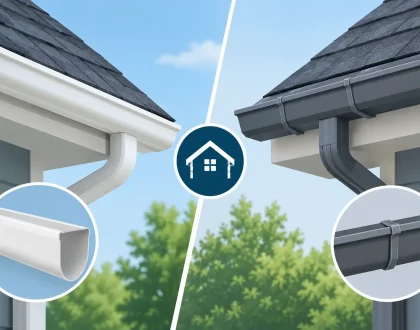
Seamless Versus Sectional Gutters: Which Is Best?
October 16, 2026

Can Dirty Gutters Attract Pests? Yes, Here’s Why
October 14, 2026
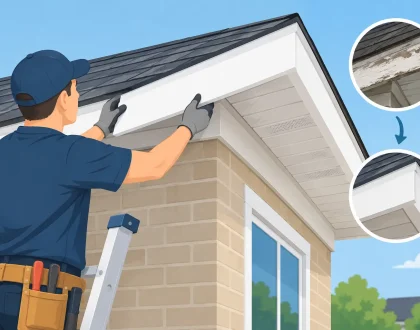
A Guide to Replacing Fascias on Your Home
October 12, 2026