

New Gutter Installation Done Right

by
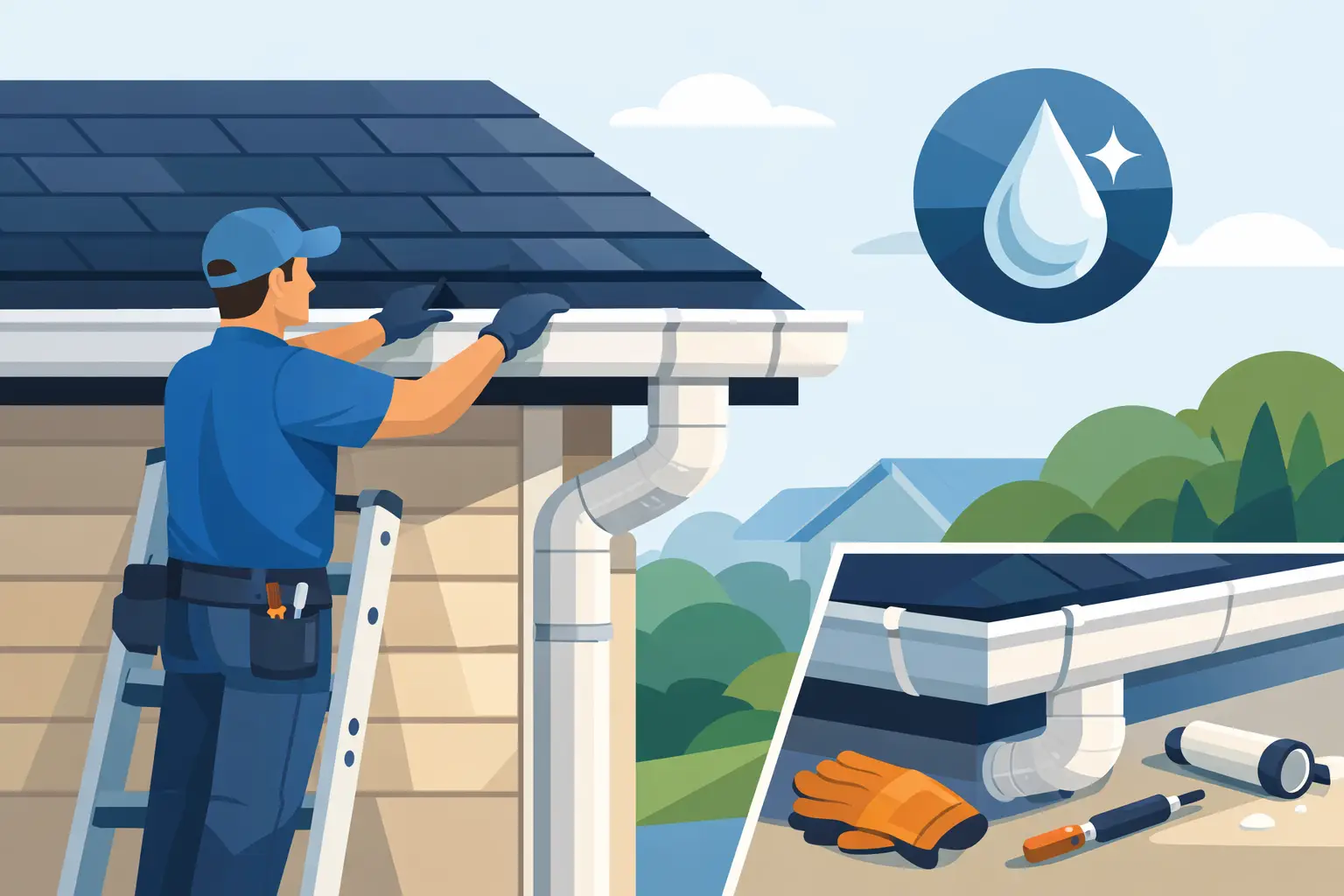
A gutter that leaks at every joint or dumps water beside the foundation is not a small nuisance. It is the kind of problem that slowly turns into rotten fascia, stained walls, damp basements, and costly repairs. That is why new gutter installation is not just about making a roofline look tidy. It is about controlling water properly and making sure your home stays protected in every season.
For many homeowners, the trouble starts with overflow during heavy rain, sagging sections, loose brackets, or downspouts that cannot keep up. Sometimes a repair is enough. Sometimes it is clear the system has reached the end of the road. The key is knowing the difference and fitting a replacement that actually suits the property.
When new gutter installation makes more sense than repair
Not every gutter problem calls for a full replacement. A single leaking joint, a blocked downspout, or one damaged section can often be repaired if the rest of the system is still sound. That is usually the most sensible route if the gutters are relatively modern and the underlying line and fall are still correct.
But there comes a point where repairs become a patchwork job. If the gutters are cracked in several places, pulling away from the fascia, rusting through, or regularly overflowing even after cleaning, replacing them is often better value. The same applies when the original system was poorly sized, badly pitched, or fitted with too few downspouts. In those cases, another quick fix only delays the real solution.
Age matters too. Older cast iron systems can sometimes be restored, but many have reached a stage where repeated repair is no longer practical. Older plastic gutters may become brittle and fail at the clips and joints. If the fascia and soffits are also worn, it often makes sense to deal with the whole roofline together rather than tackle each part separately over time.
What a proper new gutter installation should include
A good installation starts before any new materials go up. The property should be checked properly, not just measured from the ground and guessed. Roof area, pitch, water volume, downspout placement, fascia condition, and drainage routes all matter. If any one of those is overlooked, the new system may still struggle in heavy weather.
This is where experience counts. A proper installer looks at how water currently behaves on the building. They check for overshooting at roof edges, signs of past overflow, movement in the fascia line, and whether the downspouts discharge effectively. A clean-looking finish means very little if the water is still ending up where it should not.
New gutter installation should also include secure brackets at the right spacing, correct fall toward the outlets, properly aligned joints, and downspouts positioned to drain away efficiently. If there are blockages below ground or poorly routed outlets, those need attention too. There is no point fitting new gutters onto a drainage path that is already failing.
Choosing the right material for the property
There is no single best gutter material for every building. It depends on budget, appearance, lifespan, and the style of the property.
UPVC remains a popular choice because it is cost-effective, clean in appearance, and available in several profiles. It suits many modern homes and extensions, and when fitted correctly it performs well. The trade-off is that lower-grade plastic can become brittle with age, and cheaper systems do not always hold up as well under repeated expansion and contraction.
Aluminum is a strong option for homeowners who want a longer-lasting system with a sharper finish. It is lightweight, resistant to rust, and well suited to both residential and commercial buildings. It generally costs more upfront than UPVC, but many property owners see that as worthwhile for durability and appearance.
Cast iron has real character and is often the right fit for period homes or listed-style properties where appearance matters as much as function. It is solid and long-lasting when maintained properly, but it is heavier, more labor-intensive to install, and usually more expensive. It also needs the right fixing method and regular upkeep to stay in good shape.
The main point is simple. The material should match the building, the drainage demand, and the customer’s priorities. Cheapest is not always best, and most expensive is not always necessary.
New gutter installation and the roofline around it
Gutters do not work in isolation. They rely on sound fascia boards, stable soffits, and secure fixing points. If the timber behind the old guttering is rotten, or the existing roofline is warped, fitting a new system onto it is asking for trouble.
That is why a full inspection matters. If the fascia has been damaged by years of overflow, it may need repair or replacement before the guttering goes on. The same goes for soffits with ventilation issues or roof edges affected by trapped moisture. Handling those issues at the same time usually saves money and avoids repeat disruption later.
This is also where many homeowners get caught out by low-cost, clean-only providers. Clearing a blockage or vacuuming debris can help in the short term, but if the brackets are failing, the joints are separating, or the fascia is soft, the real problem remains. Proper gutter work means being able to inspect, repair, and replace where needed.
What homeowners should expect on installation day
A professional job should feel organized from the start. Access equipment should be suitable for the property, the team should work safely and tidily, and the existing guttering should be removed without damaging the roofline. Any hidden issues found once the old system is off should be explained clearly before extra work is carried out.
Once installed, the new gutters should be tested to make sure water flows correctly to the outlets and downspouts. The line should look neat, but more importantly, it should perform as intended. This is where workmanship shows. A gutter can appear straight from the driveway and still hold standing water if the fall is wrong.
Homeowners should also receive clear advice on aftercare. Even a brand-new system will need occasional maintenance, especially if the property is surrounded by trees or has heavy moss on the roof. New gutters are not a reason to ignore the roofline for the next ten years.
Common mistakes that lead to poor results
One of the biggest mistakes is replacing like for like without asking whether the original setup was right. If the old system overflowed because it was undersized, fitting the same profile again solves nothing. Another common problem is poor bracket spacing, especially on longer runs where movement and sagging become more likely over time.
Bad downspout placement is another issue. A gutter can only perform as well as its drainage route allows. If too much water is forced into one outlet, or the downspout discharges into a blocked gully, overflow is almost guaranteed in heavy rain.
There is also the temptation to focus only on price. Everyone wants value for money, but the lowest quote is not always the best job. Materials vary, fittings vary, and so does the standard of installation. A properly insured, experienced company with guaranteed workmanship usually costs more for a reason.
How to know you are hiring the right company
Look for a company that does more than fit plastic and move on. You want people who understand drainage, rooflines, and the signs of wider water damage. They should be able to explain what needs doing, what can be repaired, and when replacement is the smarter long-term option.
Transparent pricing matters. So does insurance. So does experience. A family-run business with years of hands-on guttering and building work behind it will usually spot issues that a basic installation crew may miss. That can make all the difference between a quick cosmetic change and a system that actually protects the property.
It is also worth asking whether they handle related work such as fascia replacement, soffit installation, downspout clearing, and roofline cleaning. When one company can assess the full picture, the result is usually more practical and more cost-effective.
At Steve’s Gutters, that joined-up approach is a big part of the job. Not every property needs a full replacement, but when it does, it should be done properly, safely, and with the right materials for the building.
New gutter installation is about more than appearance
Fresh guttering can certainly improve curb appeal, especially when old, stained, or sagging sections are dragging the property down. But the real value is in what you do not see. Dry walls. Sound fascia boards. Less risk of foundation splashback. Better control of rainwater where it matters most.
If your gutters are failing repeatedly, the smart move is not to keep paying for temporary fixes that never quite solve the problem. Get the system inspected properly, understand what is causing the failure, and make a decision based on long-term protection rather than short-term patchwork. A well-fitted gutter system quietly does its job for years, and that is exactly how it should be.
Recommended Posts
Seamless Versus Sectional Gutters: Which Is Best?
October 16, 2026
Can Dirty Gutters Attract Pests? Yes, Here’s Why
October 14, 2026
A Guide to Replacing Fascias on Your Home
October 12, 2026