

Fascia and Soffit Installation Done Right

by
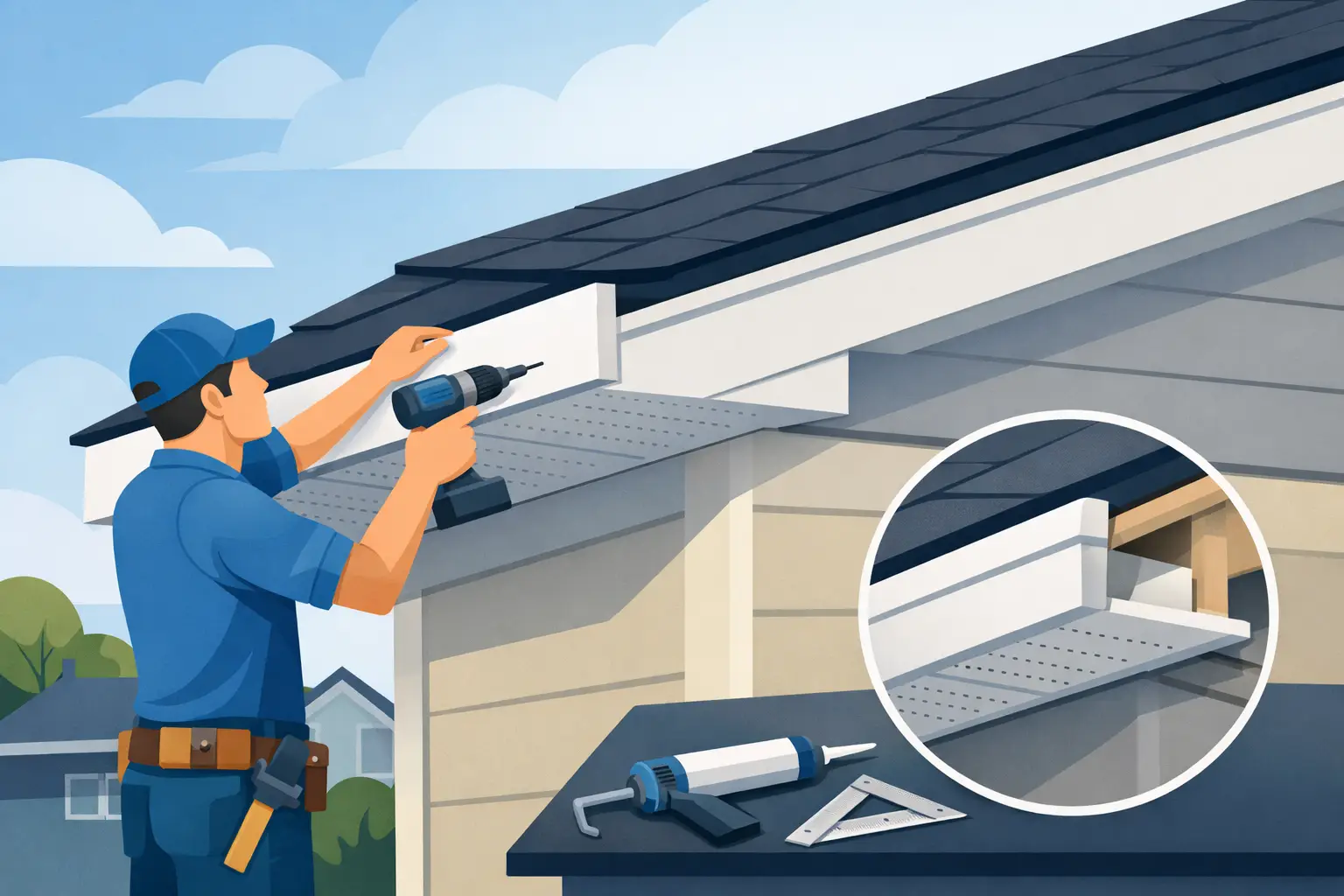
A lot of roofline problems start where most people never look. By the time paint is peeling, boards are soft, or water is running behind the guttering, the damage has usually been building for a while. That is why fascia and soffit installation matters. It is not just about making the front of a house look tidy. It is about protecting the roof edge, supporting the gutter system, and keeping water and pests out of places they should never reach.
If your existing boards are aging, sagging, or showing signs of rot, replacing them is often the smarter option than patching one small section and hoping the rest holds up. For homeowners and property managers, the best results come from treating the roofline as a working system, not as a cosmetic trim.
What fascia and soffit actually do
The fascia is the board fixed along the roof edge where the gutters are attached. It carries more responsibility than many people realize because it helps support the guttering and forms part of the barrier between weather and the roof structure.
The soffit sits underneath that overhang. It closes the gap beneath the fascia, gives the roofline a finished appearance, and helps with ventilation into the roof space when properly fitted. Without the right ventilation, moisture can build up in the attic and cause condensation, mold, and timber decay.
When these parts are old or failing, problems rarely stay limited to one board. Water can track behind the gutter. Birds and insects can get into gaps. Rotten timber can spread to the rafter ends. What looks like a minor repair from the ground can turn into a larger roofline job once everything is opened up.
Why fascia and soffit installation is more than a cosmetic job
Fresh white boards can make a property look sharper, but appearance should never be the main reason for the work. A proper fascia and soffit installation should improve drainage performance, reduce maintenance, and protect the structure of the home.
This is where experience matters. There is a big difference between covering old rotten timber and removing failed materials so the roof edge can be checked properly. Overcladding can seem cheaper at first, but it is not always the right choice. If the original timber underneath is already soft or damp, covering it up does not solve the problem. It hides it.
On a sound roofline, capping boards may be suitable in some cases. On a roofline with rot, loose gutters, damaged felt support, or failing ends of rafters, full replacement is the safer route. It costs more upfront, but it avoids paying twice.
Signs your roofline needs attention
Most customers call once the warning signs are hard to ignore. Gutters start overflowing even after cleaning. Paint flakes off timber boards. Sections bow or crack. You may also notice staining on brickwork, damp patches near the roof edge, or birds getting into the eaves.
Another common sign is gutter movement. If the gutter brackets are pulling away or the line no longer sits straight, the fascia behind it may be too weak to support the weight, especially during heavy rain. In winter, trapped water and added weight can make that worse.
Soffits can fail more quietly. Ventilation may be poor, or small gaps may let in insects and nesting birds. By the time homeowners spot visible damage, there can already be issues inside the roof space.
What a proper fascia and soffit installation should include
Good roofline work starts with inspection, not guesswork. Before any new boards go on, the existing fascia, soffit, guttering, felt edge, and supporting timbers should be checked. There is no value in fitting new materials over hidden damage.
The old boards should be removed where replacement is needed, exposing the roof edge so any rot, loose fixings, or damaged rafter ends can be identified. If there is a problem with the underfelt not reaching far enough into the gutter, that needs addressing too. Otherwise rainwater can still run back behind the fascia even with brand-new boards fitted.
New fascia and soffit boards then need to be fixed securely and aligned correctly. Ventilation should be built in where required. Guttering should be refitted or replaced with proper falls so water runs to the outlets rather than pooling in low spots. Finishing details matter because weak joints, poor sealing, and uneven fixing lines are often what cause callbacks later.
For many homes, UPVC is the practical choice because it is durable, low maintenance, and does not need regular painting. It also gives a clean finish that suits most residential properties. That said, material choice can depend on the age and style of the building, your budget, and whether you are matching existing roofline features.
Fascia and soffit installation and guttering should be planned together
One of the biggest mistakes is treating the fascia and the gutters as separate jobs. They work together. If the fascia is being replaced, it is usually the right time to inspect the guttering, brackets, outlets, and downpipes as part of the same project.
There is no sense fitting new fascia boards only to put worn, leaking gutters back onto them. The same applies if the downpipes are blocked or undersized. You can install a neat new roofline, but if the rainwater system is not carrying water away properly, the building is still at risk.
This is why a hands-on roofline contractor brings more value than a company focused only on quick surface cleaning. Proper exterior maintenance means checking the full run, identifying weak points, and fixing the cause rather than the symptom.
What affects cost
The price of fascia and soffit installation depends on more than linear footage. Access is a major factor. A simple single-story garage is very different from a two-story house with conservatories, extensions, or awkward roof sections.
The condition of the existing roofline also makes a difference. If the old boards come off cleanly and the timbers behind are sound, the work moves faster. If there is hidden rot, damaged felt support trays, or failing rafter ends, the labor and materials increase. That is not upselling. It is the reality of doing the job properly.
Material choice matters too. UPVC is often the most cost-effective long-term option, while aluminum or heritage-style replacements may suit some properties better but cost more. The right contractor should explain what you actually need and where you have options.
Why cheap roofline quotes can cost more later
Roofline work is one of those trades where the cheapest quote can be the most expensive mistake. Low prices often rely on skipping preparation, covering over failed timber, reusing tired guttering, or rushing the finishing work.
That can leave homeowners with gutters that still leak, boards that trap moisture behind them, or roof ventilation that has been reduced instead of improved. Everything may look fine from the driveway for a few months. Then the same problems come back, usually with a larger repair bill attached.
A reputable installer should be insured, clear about what is being removed and replaced, and willing to explain whether your roofline needs capping or full replacement. If the answer to every problem is the same low-cost fix, that is usually a warning sign.
Choosing the right contractor for fascia and soffit installation
You do not need a sales pitch. You need straight answers, practical experience, and workmanship that lasts. Ask whether the quote includes removal of old materials, inspection of the roof edge, disposal of waste, ventilation where needed, and gutter refitting or replacement.
It also helps to choose a company that understands the wider roofline, not just the boards themselves. If they can spot issues with downpipes, leaking joints, poor gutter falls, or blocked drainage while the work is underway, you avoid hiring multiple trades for connected problems.
That approach is one reason many customers prefer family-run specialists with a long local track record. Companies like Steve’s Gutters build trust by doing the full job, keeping the site tidy, and standing behind the work rather than chasing the quickest install possible.
When to replace instead of repair
There are times when a small repair is enough. A localized loose section, a single damaged trim piece, or one gutter bracket pulling away may not mean full replacement. But if there is widespread rot, repeated gutter failure, multiple soft sections, or visible sagging along long runs, repairs usually become a short-term patch.
The honest answer is that it depends on condition, not just age. Some older rooflines are still structurally sound. Others need replacing sooner because water has been getting in for years. A proper inspection is the only way to know the difference.
If your fascia boards are failing, the soffits are dated or venting poorly, and the guttering is already near the end of its life, doing everything together is usually the best value. You get one coordinated job, one standard of finish, and a roofline that is ready to handle the weather properly.
A sound roofline does its work quietly. When fascia and soffit installation is done right, most people stop thinking about it altogether, and that is usually the best result of all.
Recommended Posts
Seamless Versus Sectional Gutters: Which Is Best?
October 16, 2026
Can Dirty Gutters Attract Pests? Yes, Here’s Why
October 14, 2026
A Guide to Replacing Fascias on Your Home
October 12, 2026