

Aluminium Gutter Installation Done Right

by
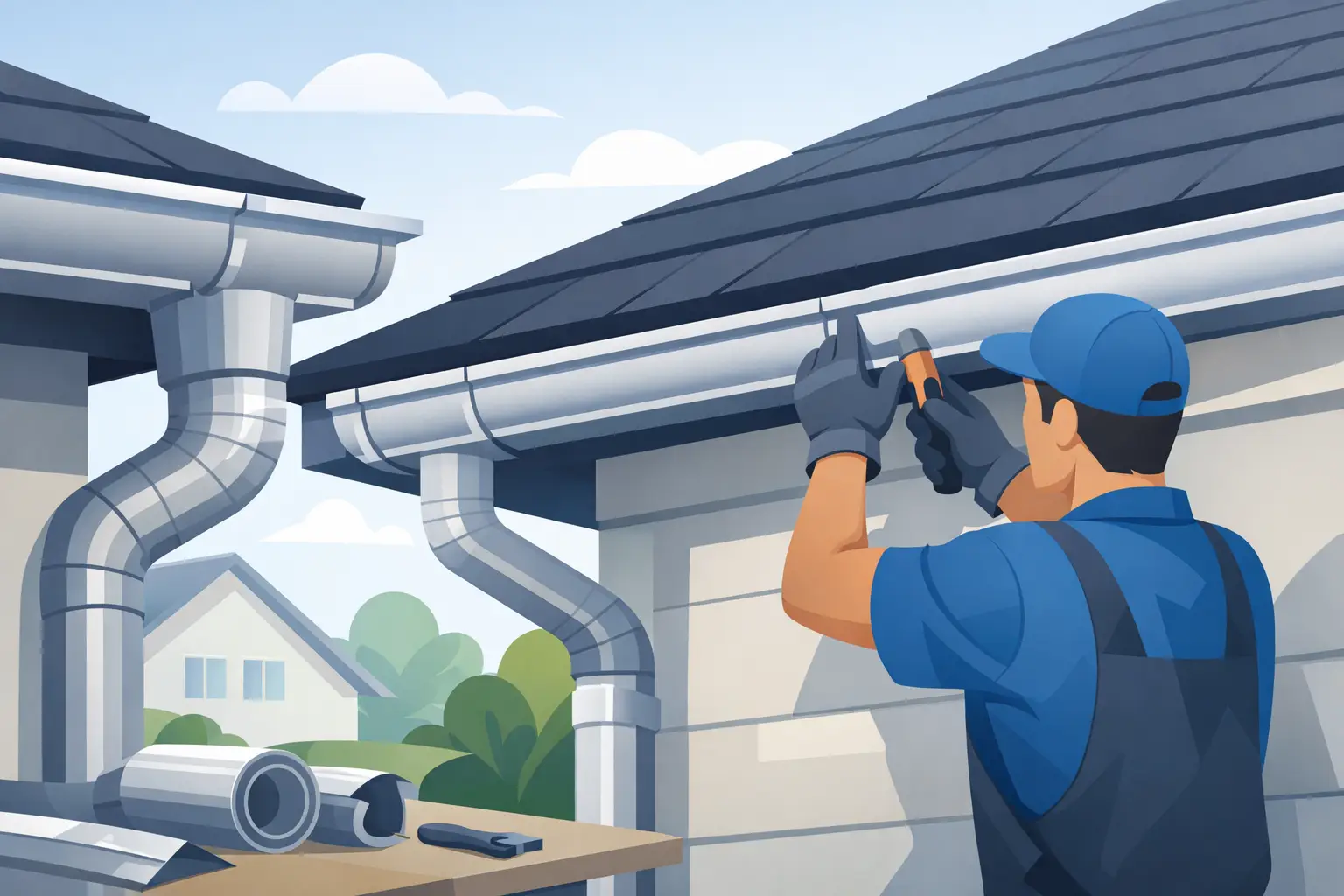
A gutter that looks straight from the ground can still fail in heavy rain if the fall is wrong, the brackets are spaced poorly, or the outlet has been set in the wrong place. That is why aluminium gutter installation is not just about fixing lengths of gutter to the fascia. It is about getting water off the roof quickly, safely, and without creating the kind of overflow that leads to damp walls, stained brick, and expensive repairs later.
For many homeowners and property managers, aluminum is a sensible step up from basic plastic systems. It has a cleaner finish, it holds its shape well, and it suits both modern homes and older properties where appearance matters. But the material alone does not guarantee a good result. The installation is what decides whether the system performs properly year after year.
Why choose aluminium gutter installation?
Aluminum gutters are popular for a reason. They are lightweight, resistant to rust, and generally more durable than cheaper systems that can become brittle, sag, or warp over time. If the property has a large roof area, a conservatory connection, or long straight runs, aluminum often gives a neater and more stable finish.
It also works well where customers want a longer-term solution without the maintenance demands of cast iron. You still get a solid, quality feel, but without the same weight and without the same ongoing painting requirements. For many residential properties, that makes it a very practical middle ground.
That said, it is not a one-size-fits-all answer. On some homes, UPVC may be the more budget-friendly option. On certain period buildings, cast iron may still be the right visual match. Good advice starts with the property itself, not with pushing one material on every job.
What proper aluminium gutter installation involves
A good installation starts before any old guttering comes down. The roofline should be checked for sagging fascia boards, signs of rot, poor previous repairs, blocked downpipes, and any visible water tracking on the walls. There is no point fitting new guttering onto a weak base or ignoring a drainage problem lower down the system.
Next comes the layout. This is where experience matters. The installer needs to work out where water should discharge, whether one outlet is enough, and what fall is needed across each run. Too little pitch and the water sits in the gutter. Too much and the line can look poor from the ground. Done properly, the fall is subtle but effective.
Bracket spacing is another area where standards matter. Aluminum needs firm, consistent support. If brackets are too far apart, the run can flex under water load or debris weight. If the roof sheds a lot of moss or leaves, that support becomes even more important.
Joints, outlets, stop ends, corners, and downpipe connections all need to be fitted cleanly and sealed correctly where required. This is often where rushed work starts to show. A gutter can look finished on the day and still leak once real weather hits it.
Aluminium gutter installation and common property issues
In practice, gutter replacement jobs rarely happen in isolation. Many callouts begin with overflow, leaking joints, or a blocked downpipe, and once the system is inspected properly, it becomes clear that the old gutters are undersized, poorly aligned, or simply at the end of their life.
On houses with extensions, garages, or conservatories, water flow can be more complicated than it first appears. One section of roof may discharge onto another, or an old downpipe route may no longer suit the way the property has been altered over time. This is why a proper roofline assessment matters. Fitting new aluminum guttering without looking at the full drainage path is asking for repeat problems.
Commercial properties can be even more demanding. Larger roof spans, heavier rainwater volumes, and longer runs all mean the system needs to be designed with capacity and support in mind. A tidy-looking job is not enough if the guttering cannot cope in a storm.
Where bad installations usually go wrong
Most failures come back to a few basic issues. The fall is wrong, the outlets are in the wrong place, the fascia is unsound, the downpipes are partially blocked, or the installer has treated the job as a simple swap rather than a full system check.
Another common problem is mixing new gutters with old weak brackets or worn fittings to save time. That may reduce the invoice on the day, but it can shorten the life of the whole job. The same applies when the visible gutter is replaced but the downpipes are not properly tested and cleared.
This is also why vacuum-only gutter services can miss the bigger picture. Cleaning out debris is useful, but if the joints are leaking, the angles are off, or the fixings are pulling away, the problem has not really been solved. A proper gutter specialist should be able to inspect, clean, repair, and replace where needed.
How long does aluminum guttering last?
When fitted correctly, aluminum guttering can last for many years and give very good value over time. Exact lifespan depends on exposure, surrounding trees, maintenance, and the quality of the original installation. Coastal conditions, heavy moss fall, or neglected blockages will always shorten the life of any system.
The positive side is that aluminum generally holds up well when looked after. It does not rust like untreated steel, and it is less prone to the type of distortion often seen in lower-grade plastic systems. With periodic cleaning and routine checks, it can be a strong long-term investment.
Is aluminium gutter installation worth the extra cost?
For many customers, yes. Aluminum usually costs more upfront than standard plastic guttering, but the finish is smarter and the material is more stable. If the property is one you plan to keep, or if appearance matters from the street, that extra spend often makes sense.
It depends on the building and the budget. If the goal is the lowest possible replacement cost on a basic outbuilding, UPVC may do the job well enough. If the goal is a durable, sharp-looking system on a main home or managed property, aluminum is often worth serious consideration.
The key is to compare total value, not just the first quote. A cheaper installation that needs attention again in a few years is not always the bargain it first appears to be.
Choosing the right contractor for aluminium gutter installation
The safest choice is a company that understands the full roofline, not just one part of it. That means they can spot fascia issues, test downpipes, identify poor drainage routes, and tell you honestly whether a repair is still viable or whether replacement is the better option.
Look for clear pricing, insured work, and a team with hands-on experience rather than a sales-first approach. It also helps if the same business can handle cleaning, repairs, and replacement. That usually means they are diagnosing the actual issue rather than forcing every job into the same service.
A family-run specialist with real trade experience will usually be more interested in getting the pitch right, checking every outlet, and leaving the site clean than rushing through to the next booking. That matters more than flashy promises. Steve’s Gutters has built its reputation on exactly that kind of practical, complete service.
Aftercare matters just as much as the install
Even the best aluminum system still needs occasional attention. Gutters collect moss, leaves, and roof debris over time, and downpipes can begin to slow long before they fully block. A quick maintenance check every so often is far cheaper than dealing with internal damp, foundation splashback, or damaged fascia boards.
It also makes sense to inspect the gutters after major storms and after nearby tree growth increases. Small issues are easier to sort when caught early. Left alone, they usually turn into larger repairs.
If you are considering aluminium gutter installation, the right approach is simple. Choose a system that suits the property, make sure the roofline is assessed properly, and have it fitted by people who know the difference between a fast job and a sound one. Water damage is expensive, but getting ahead of it usually is not.
Recommended Posts
Seamless Versus Sectional Gutters: Which Is Best?
October 16, 2026

Can Dirty Gutters Attract Pests? Yes, Here’s Why
October 14, 2026
A Guide to Replacing Fascias on Your Home
October 12, 2026