

Patio Jet Washing Service That Protects Your Home

by
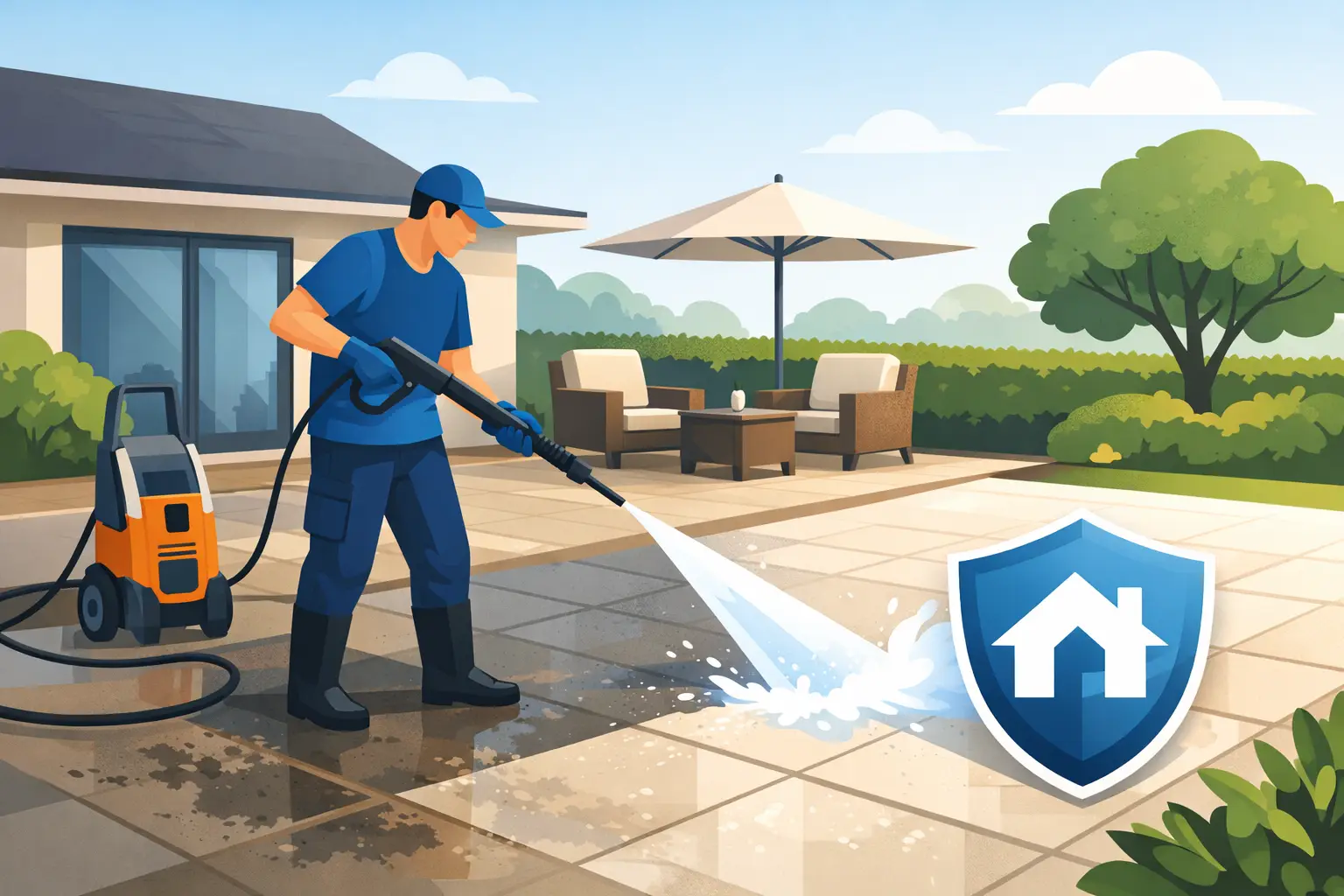
A patio should be somewhere you can walk, sit, and enjoy without slipping on green algae or tracking dirt back into the house. A professional patio jet washing service removes the buildup that ordinary sweeping cannot shift, restoring the surface without taking unnecessary risks with your paving, pointing, walls, or nearby drainage.
For homeowners and property managers, this is not just about appearances. Damp, shaded patios can become slippery quickly, particularly after wet weather. Moss and algae hold moisture against the surface, while ingrained dirt can make good paving look tired years before it should. Proper cleaning makes the space more usable and gives you a clearer view of the patio’s actual condition.
What a Patio Jet Washing Service Should Include
Jet washing is often treated as a quick job: point a powerful machine at the paving and wash until it looks brighter. That approach can cause problems. Too much pressure, the wrong nozzle, or poor technique can strip jointing material, scar softer stone, force water beneath loose slabs, or splash dirt onto doors, walls, and windows.
A professional service starts by assessing the surface. Concrete slabs, block paving, porcelain, natural stone, and patterned paving do not all respond in the same way. The condition of the joints matters too. If the pointing is already loose, cleaning may reveal work that needs attention rather than hiding it under dirt.
The work should include clearing loose debris, treating heavy organic growth where appropriate, and washing the patio in controlled sections. Edges, steps, pathways, and areas around drain covers need particular care because they are often where grime collects most heavily. The aim is an even finish, not a patchy surface cleaned in a hurry.
Once the area is clean, the technician should check that runoff is flowing away correctly and that drains are not left blocked with silt, moss, or debris. This matters around extensions, conservatories, and patio doors, where standing water can create bigger maintenance issues.
Why Green Patios Need More Than a Cosmetic Clean
The familiar green film on paving is usually algae, sometimes mixed with moss and lichen. It thrives where sunlight is limited and moisture lingers – beneath trees, beside fences, along north-facing walls, and close to gutters or downpipes that overflow.
Left alone, it can make even a level patio unsafe. A surface may look dry but still become slick when dew or rain arrives. This is especially worth addressing on garden steps, access paths, and patios used by children, older relatives, tenants, or customers.
There is also a practical property-maintenance reason to act. A patio that remains wet for long periods can point to a drainage issue, a blocked gully, or water spilling from roofline drainage. Cleaning the surface does not repair those faults, but it can expose them. A contractor with exterior maintenance experience can spot when the problem is more than surface dirt.
The Right Method Depends on the Paving
Not every patio needs the highest possible pressure. In fact, using excessive pressure is one of the most common causes of avoidable damage.
Concrete and standard paving slabs
Concrete and many manufactured slabs are generally suitable for jet washing when the equipment is used carefully. A steady, consistent pass will lift dirt and algae without leaving obvious lines. Older slabs may have worn areas, cracks, or weak mortar joints, so the pressure still needs to be adjusted to suit the condition of the patio.
Block paving
Block paving can look excellent after cleaning, but washing may remove some of the kiln-dried sand from between blocks. That is normal to a degree. If the joints are left low or empty, the blocks may shift over time and weeds can return more easily. Re-sanding may be needed once the paving has dried fully.
Natural stone and softer surfaces
Sandstone, limestone, and other natural materials need more restraint. Some stones are porous or relatively soft and can be marked by aggressive cleaning. A careful wash, suitable treatment, and realistic expectations are better than chasing a brand-new appearance at the expense of the surface itself.
Porcelain is hard wearing but still benefits from the correct technique. Grout, edging, and surrounding materials may be more vulnerable than the tiles. A good operator protects the whole area, not just the main paving.
When Patio Washing Reveals Repairs
A clean patio makes faults easier to see. Loose slabs, cracked pointing, sunken areas, failed edging, and water pooling may have been hidden by moss and grime. This is useful information. It gives you the chance to deal with small problems before they turn into trip hazards or allow water to sit against the property.
If your patio is directly below overflowing gutters or a blocked downpipe, cleaning alone will not keep it clean for long. Water repeatedly running across the paving carries dirt and encourages algae growth. The sensible approach is to address the source, whether that means clearing the drainage, repairing a gutter joint, or improving the way water is directed away from the building.
The same applies to patios beneath overhanging trees. Regular sweeping and seasonal maintenance will reduce leaf staining and organic growth, although no cleaning service can prevent nature from returning altogether. The right maintenance schedule depends on shade, foot traffic, drainage, and the type of surface.
What Homeowners Can Do Before and After Cleaning
Before a patio cleaning appointment, remove furniture, planters, toys, and loose items where possible. This gives the operator room to clean evenly and prevents staining or damage to items that should not get wet. Let the contractor know about loose slabs, damaged joints, fragile pots, exterior electrical fittings, or drainage covers that may need special attention.
After the patio has been cleaned, allow it to dry before replacing furniture or deciding whether further work is needed. Wet paving can look darker and may make remaining stains appear worse than they are. Once dry, you can see the true result and identify any areas that need re-sanding, repointing, or repair.
To keep the finish longer, sweep leaves and soil away regularly, especially during fall and after storms. Keep nearby gullies clear and deal with gutter overflows promptly. These simple steps limit the moisture and debris that algae need to grow.
Choosing a Patio Jet Washing Service
Price matters, but the cheapest quote is not always the best value. Ask what surface is being cleaned, whether the contractor will inspect the patio first, and how they will manage runoff and nearby drains. You should also expect clear information on what is included and whether re-sanding or minor repairs are separate services.
Insurance, experience, and care around the rest of the property matter as much as the machine itself. A patio often sits beside doors, walls, conservatories, garden borders, and drainage points. The work needs to be carried out cleanly, with respect for the surrounding area and a proper understanding of where water will go.
Steve’s Gutters approaches exterior cleaning as part of wider property care. That means looking beyond the visible dirt when a patio is affected by blocked drainage, overflowing gutters, or roofline issues. With more than 30 years of hands-on trade experience, the focus is on doing the work properly rather than delivering a rushed surface wash.
A clean, safe patio is easier to enjoy and easier to maintain. If your paving is green, slippery, stained, or constantly wet, arrange an inspection and a clear quote before the next spell of wet weather makes the problem harder to ignore.
Recommended Posts
Driveway Jet Washing Benefits for Your Property
October 10, 2026

Best Signs of Failing Soffits on Your Home
October 8, 2026

Are Gutter Repairs Insured? What Homeowners Need
October 6, 2026